HTTP/3: The Essential Upgrade for Modern Web Performance in 2025/2026
Unlock Blazing Fast Websites: Why HTTP/3 is Your New Performance Standard
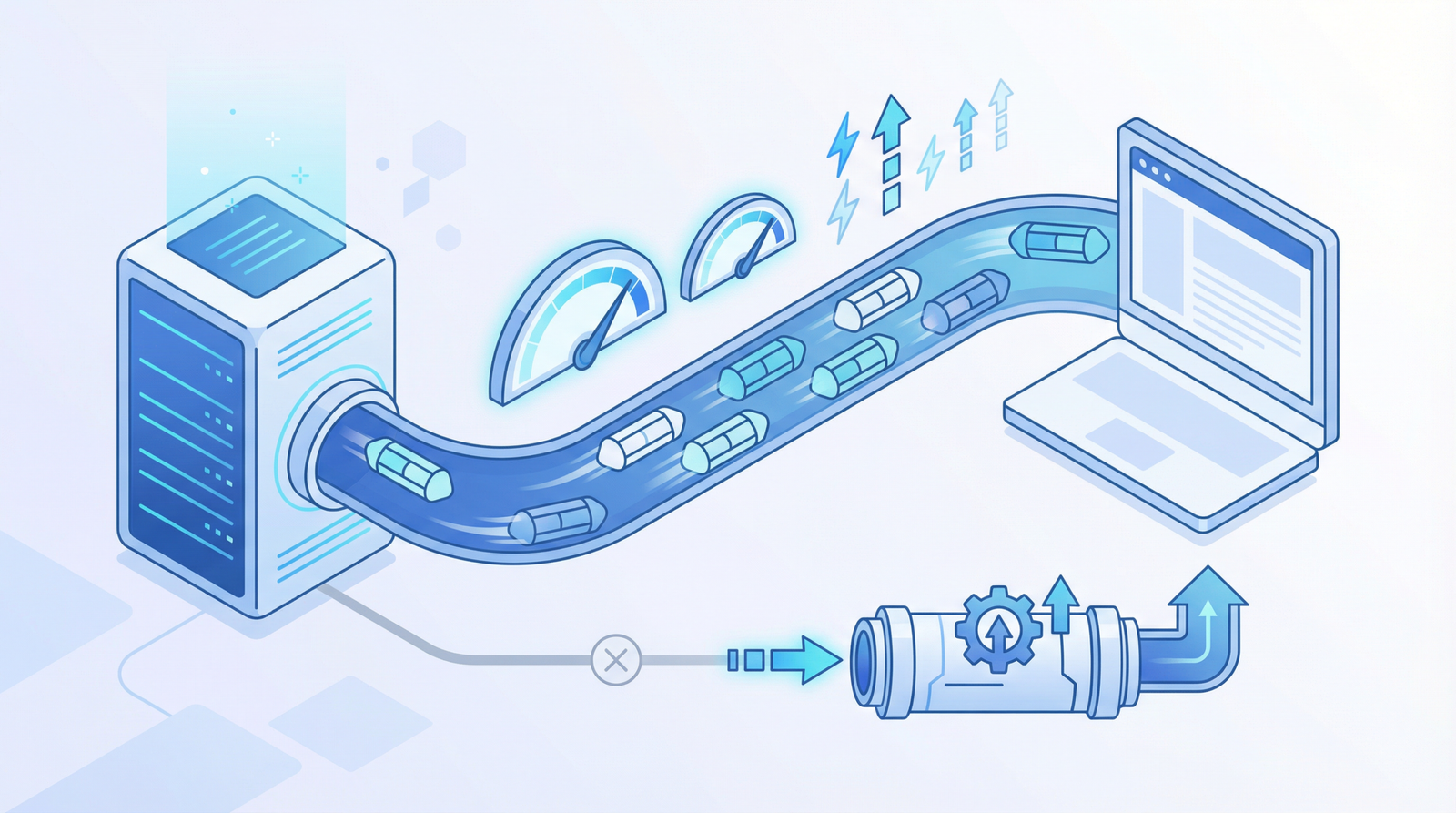
In the relentless pursuit of a faster web, every millisecond counts. While HTTP/2 brought significant advancements, the internet continues to evolve, demanding even more efficient protocols. Enter HTTP/3, the latest iteration designed to revolutionize how data travels across the web. If your server isn’t supporting HTTP/3, you’re not just missing out on a future technology; you’re falling behind the current standard for modern web performance.
The Problem: Sticking with Outdated Protocols
Many websites still rely on older HTTP protocols, unaware of the substantial performance gains offered by HTTP/3, which is built on Google’s QUIC (Quick UDP Internet Connections) protocol. This oversight can lead to slower load times, especially for users on less stable networks, directly impacting user experience and business metrics.
Why HTTP/3 is Critical for Your Site’s Success
The benefits of HTTP/3 are profound and directly address common web performance bottlenecks:
Faster Connection Establishment: HTTP/3 significantly reduces the handshake time required to set up a connection, leading to quicker initial page loads. This is particularly noticeable on subsequent visits.
Superior Packet Loss Handling: Unlike TCP-based protocols, QUIC handles packet loss more gracefully. If a packet is lost, only that specific stream is affected, not the entire connection, ensuring smoother data flow.
Improved Performance on Mobile Networks: Mobile users often contend with fluctuating network conditions. HTTP/3’s design makes it exceptionally resilient to these challenges, providing a more consistent and faster experience.
Reduced Head-of-Line Blocking: In older protocols, if one resource was delayed, it could block all subsequent resources. HTTP/3 eliminates this