Declutter Your Digital Doorstep: The Impact of an Overstuffed Footer on SEO and UX
The Hidden Cost of a Cluttered Footer
The footer of your website, often an afterthought, plays a surprisingly critical role in both user experience (UX) and search engine optimization (SEO). While it might seem like a convenient place to dump all your miscellaneous links and legal jargon, an overstuffed footer with irrelevant links can be a silent killer for your site’s performance and credibility.
In today’s fast-paced digital landscape, every element on your page contributes to how users perceive your brand and how search engines rank your content. A cluttered footer isn’t just an aesthetic issue; it’s a strategic misstep that can lead to increased page load times, confused users, diluted link equity, and even a spammy appearance to sophisticated search algorithms.
Why a Bloated Footer Harms Your Website
Degraded User Experience (UX): Users expect a clean, intuitive navigation. A footer crammed with too many options creates decision fatigue, making it harder for them to find essential information like contact details, privacy policies, or sitemaps. This frustration can lead to higher bounce rates.
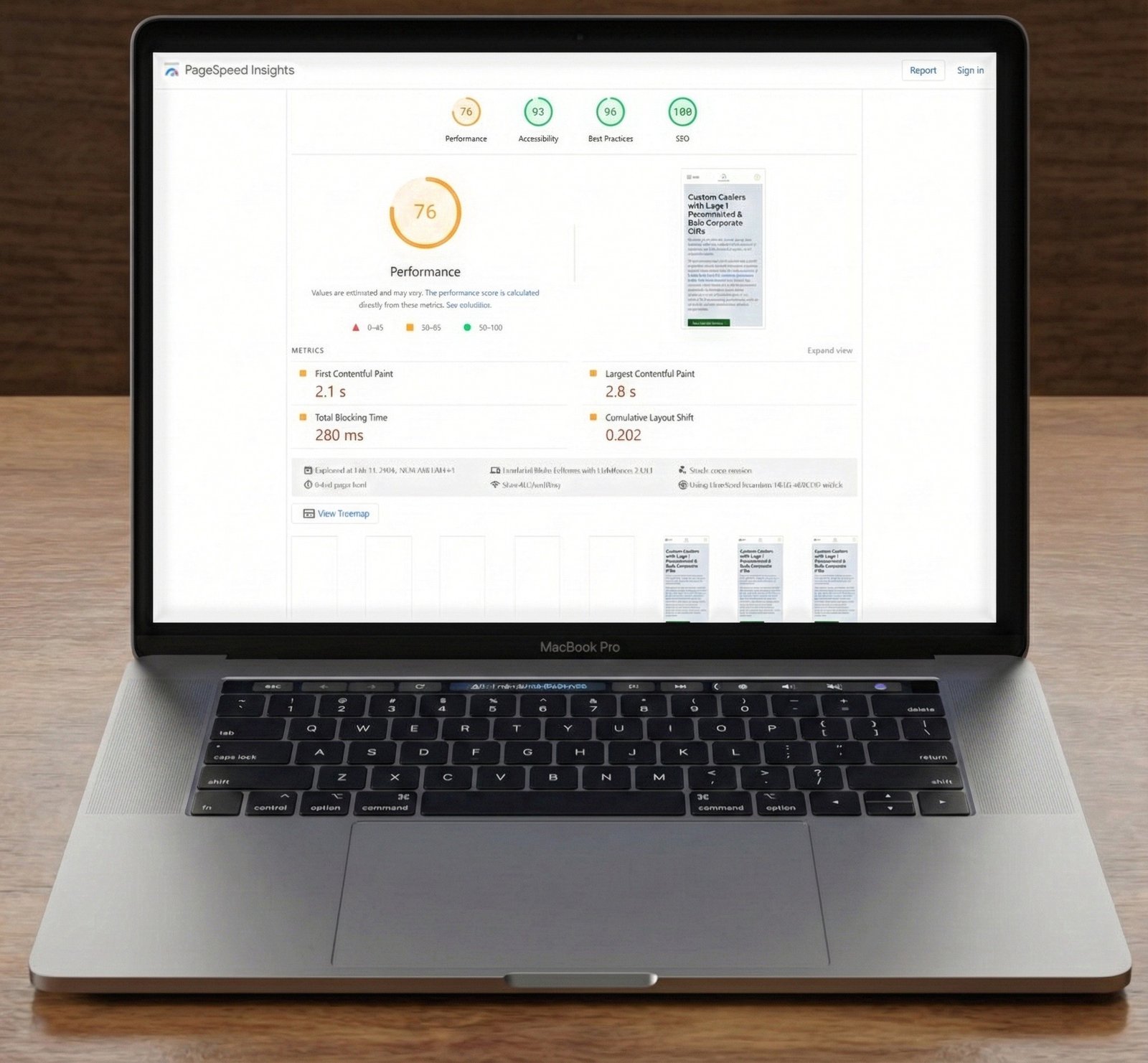
Slower Page Load Times: Every link, image, and piece of content adds to your page’s overall weight. While individual footer elements might seem small, collectively they can contribute to slower page load times, especially on mobile devices. In 2025/2026, page speed is more critical than ever for both user retention and SEO rankings.
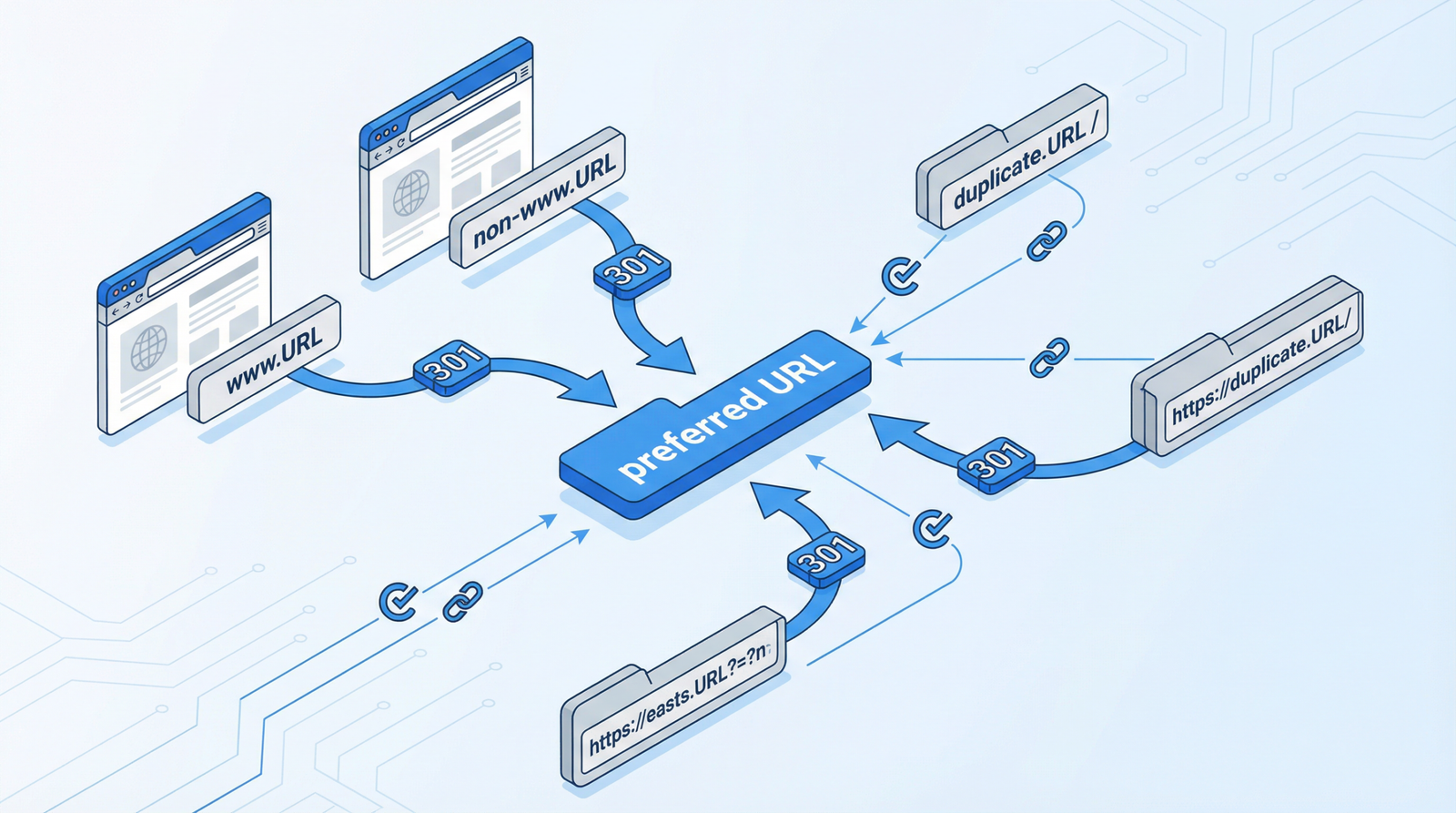
Diluted Link Equity (PageRank Sculpting): From an SEO perspective, every link on your page passes a certain amount of “link equity” or “PageRank.” When you have an excessive number of links in your footer, this valuable equity is spread thin across many less important pages, rather than being concentrated on your most crucial content. This can weaken the SEO power of your main navigation and key landing pages.
Appearing Spammy to Search Engines: Search engines are constantly evolving to identify and penalize manipulative practices. A footer filled with keyword-stuffed links or irrelevant internal links can be flagged as an attempt to manipulate rankings, potentially leading to penalties or reduced visibility.
Mobile Usability Challenges: With mobile-first indexing and a significant portion of web traffic coming from smartphones, a responsive and clean footer is non-negotiable. An overstuffed footer often renders poorly on smaller screens, creating a frustrating experience for mobile users.
How to Diagnose an Overstuffed Footer
Identifying if your footer is doing more harm than good is straightforward:
Count Your Links: A general guideline suggests that more than 20-30 links in your footer might be excessive. However, context matters. Focus on quality over quantity.
Assess Relevance and Functionality: Are all links still relevant to your current business goals and user needs? Do they all lead to active, valuable pages? Remove broken links and outdated promotions immediately.
Review Content for Freshness: Check for any outdated copyright notices, old campaign links, or irrelevant news. Your footer should reflect your current brand and offerings.
Test Mobile Responsiveness: Use developer tools or simply resize your browser window to see how your footer behaves on various screen sizes. Is it easy to navigate? Does it clutter the screen?
Streamlining Your Footer: Actionable Steps for 2025/2026
Optimizing your footer is about strategic minimalism. Here’s how to transform your footer into an efficient, user-friendly, and SEO-friendly element:
1. Prioritize Essential Navigation
Your footer should serve as a secondary navigation hub for critical, evergreen pages that users might look for regardless of where they are on your site. Think:
If you have many links that are still important but not critical enough for the main footer, consider grouping them under clear categories or moving them to a dedicated “Resources” or “Support” page linked from the footer.
3. Update Contact and Copyright Information
Ensure your contact details (email, phone, address) are current and easily accessible. Always keep your copyright year updated – this small detail signals an active and maintained website.
4. Strategic Social Media Integration
Include links to your most active social media profiles, but avoid overwhelming the footer with every platform you’re on. Use concise icons rather than full text links.
5. Optimize for Mobile
Design your footer with a mobile-first approach. Use CSS Grid or Flexbox for responsive layouts that stack gracefully on smaller screens. Ensure tap targets for links are large enough for easy interaction.
If you’re using a CMS like WordPress, be mindful of footer widget areas. Deactivate or remove any widgets that are not serving a clear purpose. Each widget can add extra code and potentially impact performance.
Code Tip (WordPress Widget Management):
function limit_footer_widgets() {
    unregister_sidebar('footer-4'); // Example: Remove specific footer widget areas
    unregister_sidebar('footer-5');
    unregister_sidebar('footer-6');

    // Register only essential footer areas if needed
    register_sidebar(array(
        'name' => 'Footer - Essential Links',
        'id' => 'footer-essential',
        'description' => 'Essential navigation links only',
        'before_widget' => '<div class="footer-widget">',
        'after_widget' => '</div>',
        'before_title' => '<h4>',
        'after_title' => '</h4>',
    ));
}
add_action('widgets_init', 'limit_footer_widgets');
Conclusion: A Leaner Footer for a Faster, More Effective Website
In the ever-evolving world of web performance and SEO, every detail counts. A well-optimized, lean footer is not just good practice; it’s a necessity for providing an excellent user experience and achieving higher search engine rankings in 2025/2026 and beyond. By decluttering your digital doorstep, you’ll improve site speed, enhance navigation, and strengthen your overall online presence. Take the time to audit your footer today – your users and search engines will thank you.