Stop the GIF-astrophe: Why Modern Video Formats are Essential for Web Performance in 2025/2026
Stop the GIF-astrophe: Why Modern Video Formats are Essential for Web Performance in 2025/2026
In the fast-paced world of web performance, every kilobyte counts. While animated GIFs once served a purpose, their continued use for dynamic content in 2025 and beyond is a critical oversight that can severely impact your website’s speed, user experience, and ultimately, your bottom line. If your site is still relying on GIFs for animations, you’re not just falling behind; you’re actively hindering your performance.
The Hidden Cost of GIFs: Why They’re Crushing Your Page Speed
The problem is simple yet profound: animated GIFs are incredibly inefficient. Unlike modern video formats such as MP4 and WebM, GIFs were never designed for complex animations or efficient compression. This fundamental design flaw means that an animated GIF can be anywhere from 5 to 10 times larger than an equivalent video file. Consider the following typical file size comparisons:
GIF: 2-5MB
MP4: 200-500KB (80-90% smaller)
WebM: 150-400KB (85-95% smaller)
This massive disparity in file size directly translates to:
Slower Page Load Times: Larger files take longer to download, delaying when your content becomes visible and interactive to users. This directly impacts Core Web Vitals like Largest Contentful Paint (LCP).
Increased Bandwidth Consumption: Visitors, especially those on mobile data plans, will burn through their data allowance faster, leading to a frustrating experience and potentially higher hosting costs for you.
Poor User Experience: Slow-loading pages lead to higher bounce rates and lower engagement. Users expect instant gratification, and a sluggish site will drive them away.
Negative SEO Impact: Search engines like Google prioritize fast-loading websites. Poor performance due to oversized GIFs can negatively affect your search rankings.
How to Identify GIF Overload on Your Site
Unsure if GIFs are a performance bottleneck for your website? Here’s how to check:
Audit Your Media Library: Manually browse your website’s media assets for any files ending with the .gif extension.
Inspect Animated Content: Use your browser’s developer tools (usually F12) to inspect animated elements on your pages. Look at the network tab to see the file types and sizes being loaded.
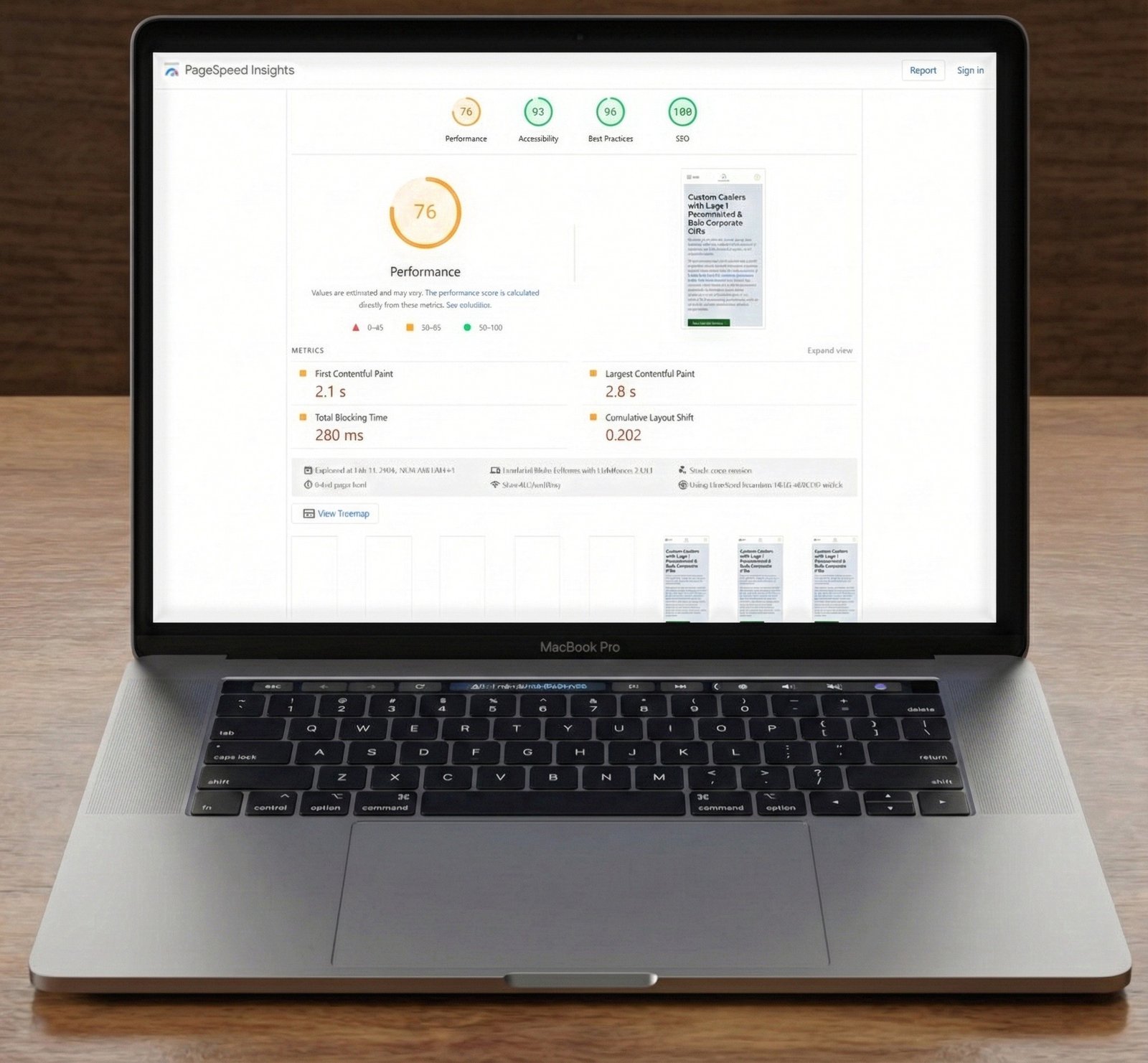
Leverage PageSpeed Insights: Run your website through Google PageSpeed Insights. Look for specific recommendations like "Use video formats for animated content" or warnings about large image payloads.
Content Audit: Systematically review your website’s content for any large animated GIFs that could be replaced.
The Modern Solution: Converting GIFs to Efficient Video Formats
The good news is that fixing this issue is straightforward and offers significant performance gains. The solution involves converting your animated GIFs into modern video formats like WebM and MP4, and then embedding them using the HTML5 <video> tag with appropriate fallbacks.
Implementing Video for Animations
The ideal way to embed animations is using the <video> tag, which allows you to provide multiple source formats for broader browser compatibility and includes a fallback for older browsers or if video playback fails. Crucially, always include autoplay, muted, loop, and playsinline attributes for GIF-like behavior without sound, ensuring a seamless user experience.
For WordPress users, you can automate the replacement of GIFs with video using a custom function. This example demonstrates how to dynamically replace GIF <img> tags with a <video> element, assuming corresponding .mp4 and .webm files exist alongside the original GIF.
function replace_gifs_with_video($content) {
    preg_match_all('/<img[^>]+src="([^"]+\\.gif)"[^>]*>/i', $content, $matches);

    foreach ($matches[0] as $index => $img_tag) {
        $gif_url = $matches[1][$index];
        $video_mp4 = str_replace('.gif', '.mp4', $gif_url);
        $video_webm = str_replace('.gif', '.webm', $gif_url);

        // Check if video versions exist (simplified for example)
        // In a real scenario, you'd check file existence on the server
        $video_html = '';
        if (file_exists(str_replace(home_url(), ABSPATH, $video_mp4))) {
            $video_html .= '<video autoplay muted loop playsinline>';
            if (file_exists(str_replace(home_url(), ABSPATH, $video_webm))) {
                $video_html .= '<source src="' . $video_webm . '" type="video/webm">';
            }
            $video_html .= '<source src="' . $video_mp4 . '" type="video/mp4">';
            $video_html .= $img_tag; // Fallback to original GIF
            $video_html .= '</video>';
            $content = str_replace($img_tag, $video_html, $content);
        }
    }
    return $content;
}
add_filter('the_content', 'replace_gifs_with_video');
Note: The provided WordPress code is a conceptual example. For production, ensure robust file existence checks and consider using a dedicated plugin or a more sophisticated approach for managing video assets.
Tools for Conversion
Converting your existing GIFs to video formats is easier than you might think. Here are some popular tools:
FFmpeg: A powerful command-line tool for audio and video processing. Ideal for bulk conversions.
CloudConvert: An excellent online service that supports a wide range of file conversions, including GIF to MP4/WebM.
Ezgif.com: A simple, user-friendly online tool specifically for GIF editing and conversion.
Adobe Photoshop: If you have the original design files, Photoshop allows you to export animations directly as video formats.
To ensure your video animations behave and look like traditional GIFs, apply some basic CSS:
video {
  max-width: 100%;
  height: auto;
  display: block; /* Ensures video behaves like an image block */
  margin: 0 auto; /* Centers the video */
}
Conclusion: Embrace Modernity for a Faster Web
In the competitive landscape of 2025/2026, optimizing every aspect of your website’s performance is non-negotiable. Migrating from inefficient GIFs to modern video formats like MP4 and WebM is a straightforward yet impactful step towards a faster, more engaging, and SEO-friendly website. Don’t let outdated animation formats hold your site back – make the switch today and give your users the blazing-fast experience they deserve.