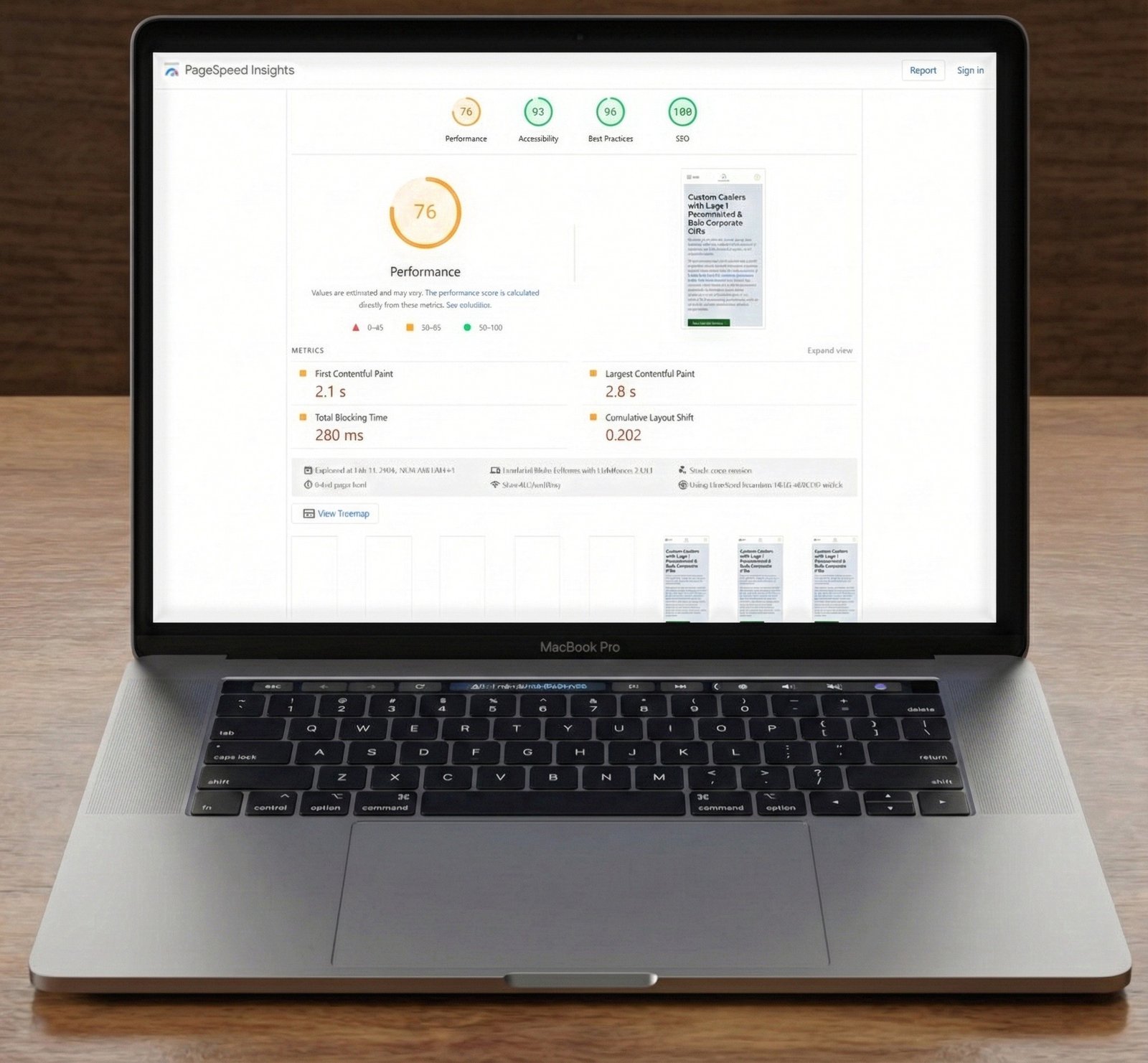
Local SEO Power-Up: Mastering Local Business Schema for 2025/2026
Unlock Local SEO: The 2025 Guide to Local Business Schema Markup
In today’s competitive digital landscape, local businesses need every advantage to stand out. One of the most powerful, yet often overlooked, tools in your local SEO arsenal is **structured data markup**, specifically for local business information. If your website isn’t leveraging this, you’re missing out on prime visibility in local search results and Google Maps.
The Problem: Missing Local Business Schema Markup
Many local business websites fail to implement structured data markup that helps search engines like Google understand crucial information about their operations. This includes your business name, address, phone number (NAP), opening hours, services, and even customer reviews. Without this digital roadmap, search engines struggle to accurately categorize and display your business in relevant local searches.
Why Missing Schema Hurts Your Local Presence
The absence of proper LocalBusiness schema markup can severely impact your local SEO visibility. Here’s how:
Reduced Local Search Visibility: Google relies on structured data to populate its local pack results, which appear prominently at the top of search engine results pages (SERPs) for location-based queries. Without schema, your business is less likely to appear here.
Limited Google Business Profile Integration: In 2025/2026, the synergy between your website’s schema and your Google Business Profile (GBP) is more critical than ever. Updated LocalBusiness schema directly feeds into GBP, enhancing the accuracy and richness of your profile. Missing this connection means a less robust GBP, which translates to fewer calls, directions, and website visits.
Fewer Rich Snippets: Schema markup enables rich snippets – those eye-catching, enhanced search results that display extra information like star ratings, price ranges, or service details directly in the SERPs. These snippets significantly increase click-through rates (CTRs).
Poor Google Maps Integration: For businesses relying on foot traffic, appearing prominently in Google Maps is essential. LocalBusiness schema, especially with accurate GeoCoordinates, helps Google pinpoint your exact location and display your business more effectively to users searching for nearby services.
How to Check for Local Business Schema Issues
Before you can fix it, you need to know if you have a problem. Here are the key steps to diagnose your schema markup:
Google’s Rich Results Test: This is your first stop. Enter your website’s URL (or a specific page) into the Google Rich Results Test. It will show you if Google can detect any structured data on your page and if there are any errors or warnings.
Search for Your Business Name: Perform a Google search for your business name, especially with location modifiers (e.g., “[Your Business Name] [Your City]”). Observe if rich snippets appear for your listing or if your Google Business Profile is fully populated and accurate.
Check Local Map Results: Search for your business category in your local area (e.g., “plumbers near me”). See if your business appears in the local pack or on Google Maps.
Schema Markup Validator Tools: Utilize other third-party Schema Markup Validator tools for a more detailed breakdown of your implemented schema.
The Solution: Implementing & Optimizing Local Business Schema for 2025/2026
Implementing and maintaining accurate LocalBusiness schema is a continuous process, especially with Google’s evolving algorithms. Here’s how to fix it, with a focus on current best practices:
1. Update Your LocalBusiness Schema
The core of your solution lies in correctly implementing the LocalBusiness schema type from Schema.org. Ensure you include as much detail as possible. Key properties to include are:
@context: Always https://schema.org
@type: LocalBusiness (or a more specific subtype like Restaurant, Dentist, AutomotiveRepair, etc.)
name: Your official business name.
address: A full PostalAddress object including streetAddress, addressLocality, addressRegion, postalCode, and addressCountry.
telephone: Your primary business phone number.
email: Your business email address.
url: The URL of your website.
geo: A GeoCoordinates object with latitude and longitude.
openingHoursSpecification: Use this property to specify detailed opening hours, including days of the week and time ranges. This is more robust than the simpler openingHours string.
priceRange: An indication of your price range (e.g., $, $$, $$$).
image: A URL to a high-quality image of your business.
sameAs: URLs to your official social media profiles (Facebook, Twitter, LinkedIn, etc.).
hasMap: A URL to your Google Maps listing.
areaServed: If you’re a service-area business, specify the geographic areas you serve.
servesCuisine (for restaurants), serviceType (for professional services), etc., for specific business types.
Your GBP is the cornerstone of your local online presence. Ensure it’s fully optimized and consistent with your website’s schema. This includes:
Complete Information: Fill out every section of your GBP, including business hours, services, photos, and a detailed description.
Category Selection: Choose the most accurate primary and secondary categories for your business.
Regular Updates: Keep your GBP updated with new posts, offers, and responses to reviews.
Link to Website: Ensure your GBP links directly to your main website.
3. Leverage Google Maps Integration
Beyond just providing geo-coordinates, actively encourage customers to leave reviews on Google Maps and ensure your business listing is accurate. Google Maps is a primary discovery tool for local services, and a well-optimized GBP with supporting schema will boost your visibility here.
4. Utilize WordPress Plugins (If Applicable)
For WordPress users, several plugins can simplify schema implementation:
Schema Pro: A comprehensive solution for various schema types, including LocalBusiness.
Rank Math: A powerful SEO plugin that includes robust local SEO and schema markup features.
Yoast Local SEO: Specifically designed to enhance local business visibility and schema implementation for WordPress sites.
Conclusion
Ignoring LocalBusiness schema markup is akin to hiding your business from potential local customers. By implementing accurate and comprehensive structured data, optimizing your Google Business Profile, and ensuring seamless Google Maps integration, you’ll significantly enhance your local SEO, drive more traffic, and ultimately, grow your business in 2025 and beyond. Don’t let this critical element of web performance hold you back!