The Silent SEO Killer: How Product Variations Can Sabotage Your E-commerce Site
In the dynamic world of e-commerce, offering a wide array of product variations—different sizes, colors, materials, or styles—is a cornerstone of a successful online store. However, this very flexibility can inadvertently create a significant SEO challenge: **duplicate content**. For WooCommerce store owners, this issue remains particularly pertinent in 2025 and 2026, as search engines continue to refine their understanding of unique content and penalize sites that fail to manage it effectively.
What’s the Problem with Product Variations and Duplicate Content?
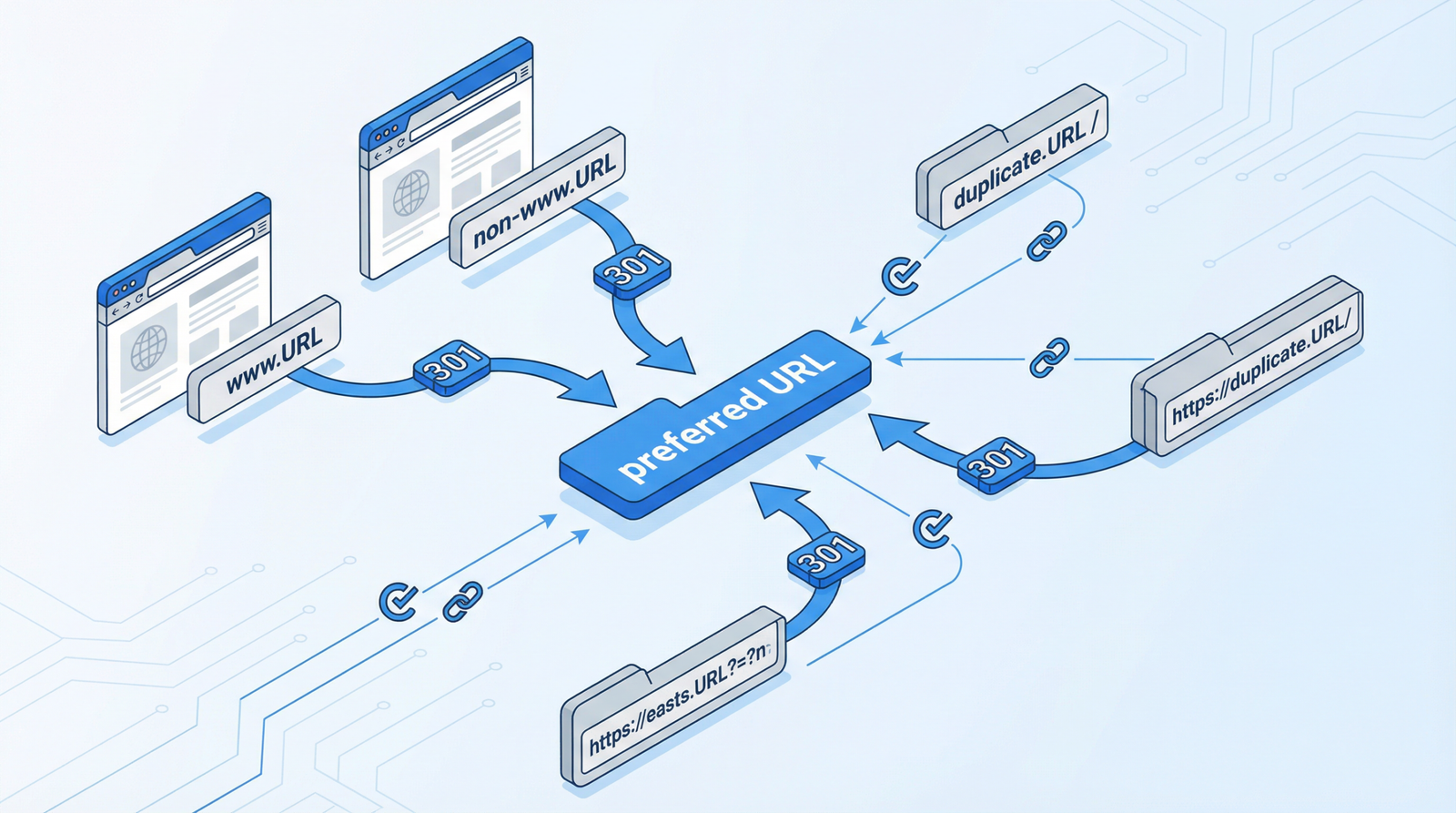
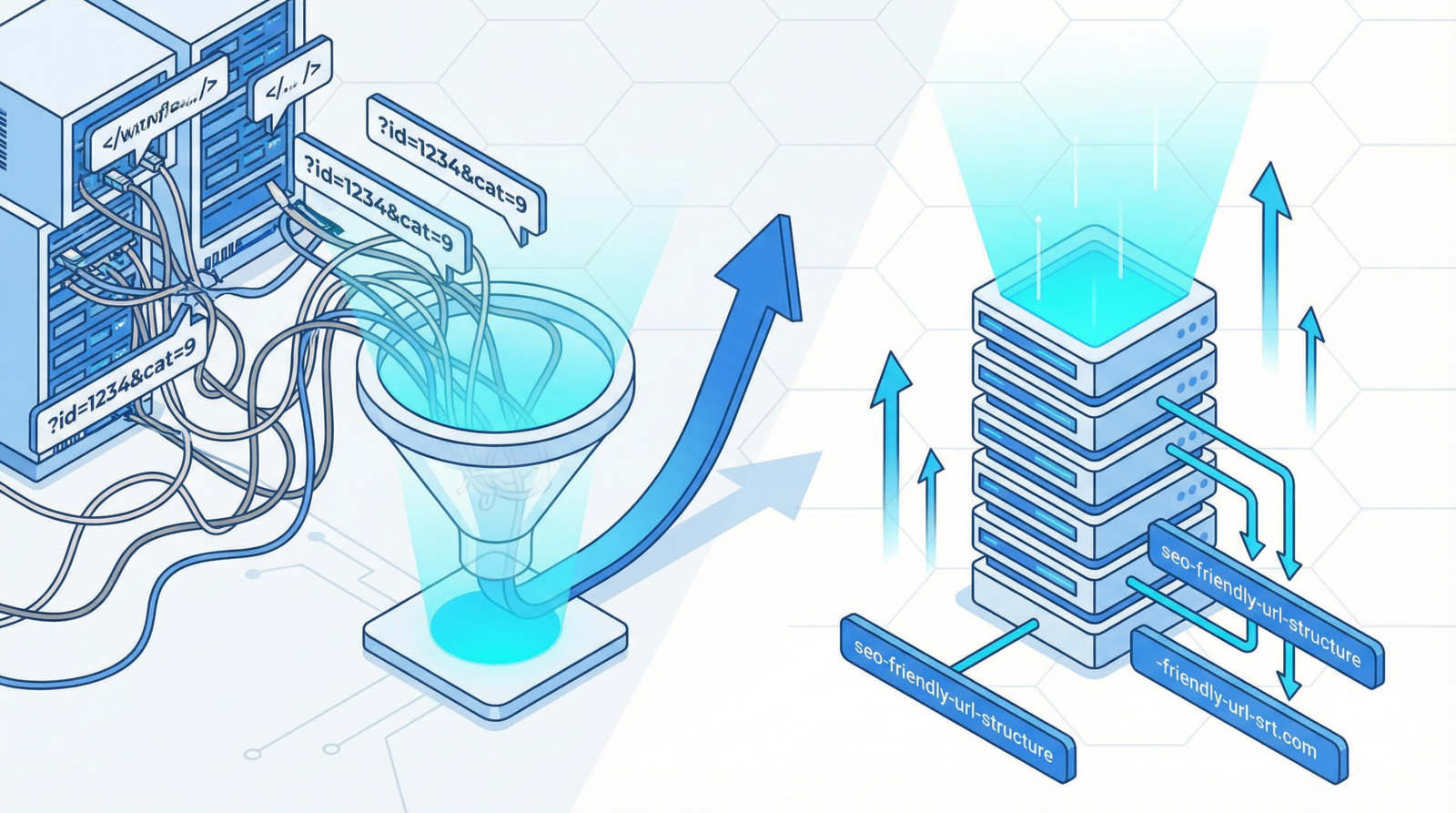
Many e-commerce platforms, including WooCommerce, generate unique URLs for each product variation. For instance, a red large T-shirt might have a URL like example.com/products/t-shirt/?color=red&size=large, while a blue medium T-shirt could be example.com/products/t-shirt/?color=blue&size=medium. While these URLs offer a distinct path for each specific product configuration, the core content—product description, images (often similar), and reviews—remains largely identical across these variation pages.
This proliferation of URLs with near-identical content leads to what search engines perceive as **duplicate content**. From a search engine’s perspective, multiple pages are competing for the same keywords and topics, diluting the authority and relevance of your primary product pages.
Why Duplicate Content Hurts Your Site (2025/2026 Update)
The impact of unmanaged duplicate content extends far beyond a minor inconvenience. In 2025 and 2026, search engine algorithms, particularly Google’s, are more sophisticated than ever at identifying and handling content redundancy. Here’s how it can severely damage your e-commerce SEO:
Diluted SEO Authority: When multiple pages present the same content, search engines struggle to determine which version is the most authoritative or relevant. This can split your SEO equity (link juice, ranking signals) across several pages instead of consolidating it on a single, powerful product page, ultimately weakening your overall search visibility.
Indexing Issues: Search engine crawlers have a limited crawl budget for each site. If a significant portion of your site is duplicate content, crawlers may waste their budget on these redundant pages, potentially neglecting to crawl and index your truly unique and valuable content. This can lead to important pages not appearing in search results.