The Hidden Cost of Missing Image Dimensions: Why CLS Matters More Than Ever
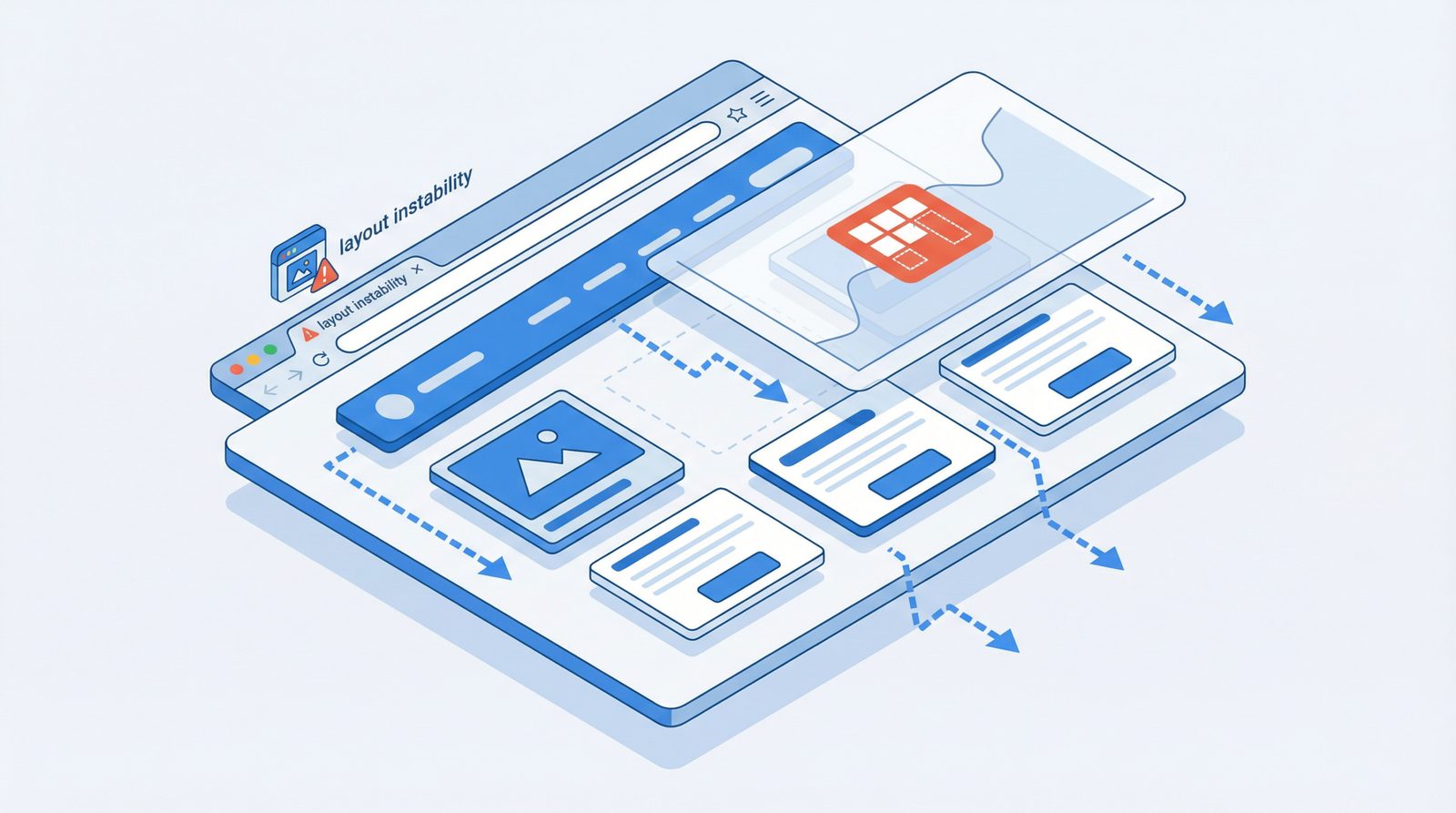
In the fast-paced world of web performance, every millisecond counts. While many focus on initial load times, a more subtle yet equally damaging issue often goes unnoticed: **Cumulative Layout Shift (CLS)**. This core web vital measures the visual stability of your page, and nothing disrupts it quite like images loading without predefined dimensions. If your website suffers from content jumping around as images pop into view, you’re not just annoying users; you’re actively harming your SEO and conversion rates.
What is Cumulative Layout Shift (CLS) and Why is it Critical?

CLS quantifies how much unexpected layout shift occurs during the lifespan of a page. Imagine a user trying to click a button, only for an image to suddenly load above it, pushing the button out of reach. This frustrating experience is a prime example of poor CLS. Google prioritizes visual stability because it directly impacts user experience. A high CLS score signals a chaotic, unreliable website, leading to higher bounce rates and lower engagement. For 2025/2026, CLS remains a **critical ranking factor**, and neglecting it can significantly impact your search visibility.
The Problem: Images Without Explicit Width and Height
When images lack explicit width and height attributes in their HTML, browsers don’t know how much space to reserve for them. They render the surrounding content first, and only when the image file is downloaded do they recalculate the layout, causing a sudden shift. This is particularly problematic for users on slower connections or those with larger images.
Why This Harms Your Site (Beyond User Frustration)
- Poor User Experience: As mentioned, unexpected layout shifts are jarring and frustrating. They can lead to accidental clicks, users losing their place, and a general sense of a broken website.
- Lower Conversion Rates: If users are constantly battling layout shifts, they are less likely to complete forms, make purchases, or engage with your calls to action.
- SEO Penalties: CLS is a Core Web Vital. Google explicitly uses these metrics as part of its ranking algorithm. A poor CLS score can directly impact your search engine rankings, pushing your site down in results.
- Increased Bounce Rate: Users quickly abandon sites that offer a poor experience. High CLS contributes significantly to users leaving your site prematurely.
How to Diagnose Missing Image Dimensions and High CLS
Identifying this issue is straightforward:
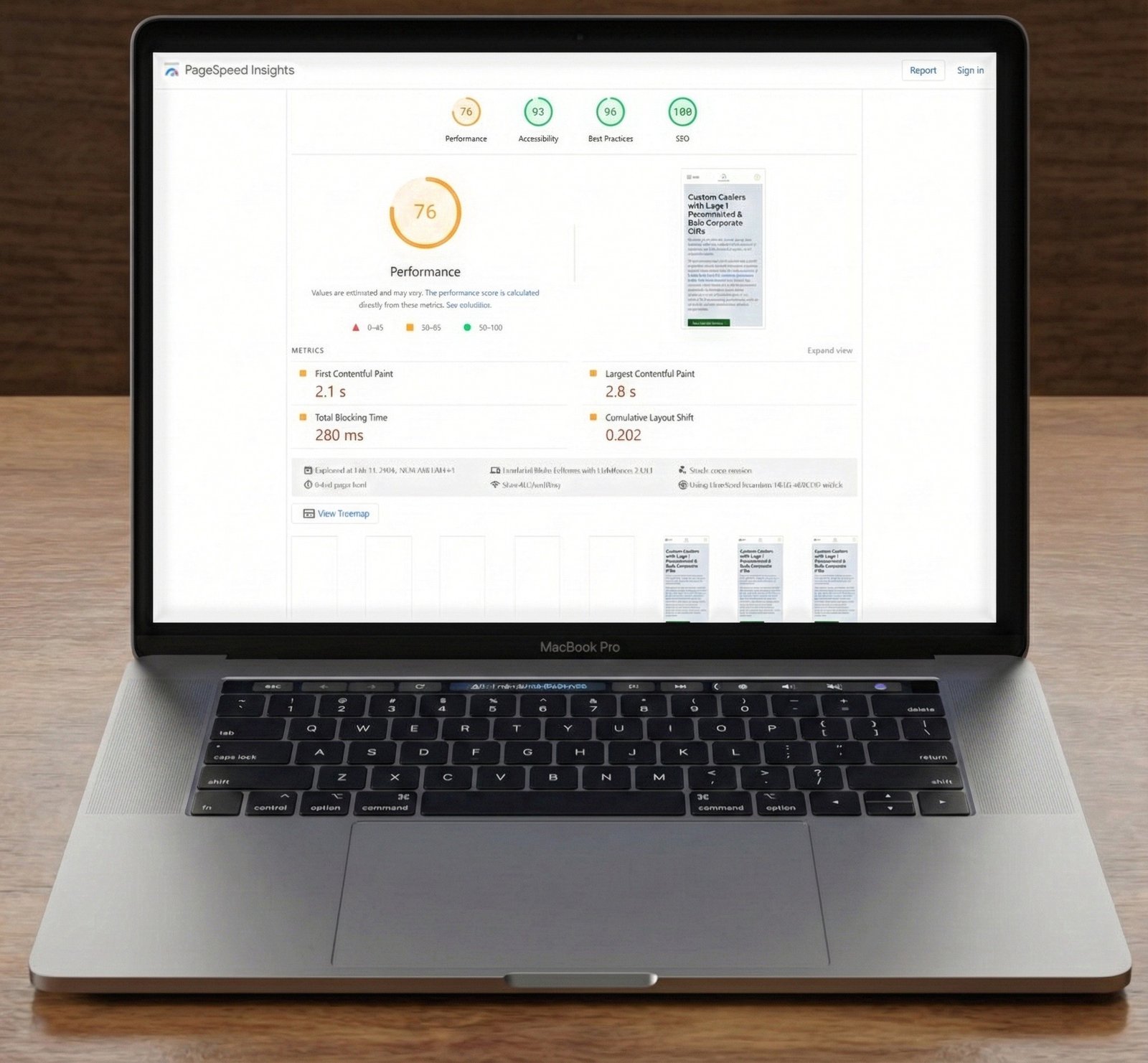
- PageSpeed Insights: Run your website through Google PageSpeed Insights. Pay close attention to your CLS score. If it’s above 0.1, you have work to do.
- Browser Developer Tools: Use your browser’s developer tools (e.g., Chrome DevTools). Inspect image elements in your HTML. Look for the absence of
widthandheightattributes. - Visual Inspection: Simply load your page and observe. Does content jump around as images load? This is the most direct visual indicator.
- Layout Shift Debugger: Modern browser developer tools often include a
Related Posts: