The Silent Killer of Website Performance: Mastering Time to First Byte (TTFB) in 2025/2026
In the fast-paced digital world, every millisecond counts. While many focus on front-end optimizations, a critical, often overlooked factor can silently cripple your website’s performance and user experience: **Slow Server Response Time**, measured by **Time to First Byte (TTFB)**. In 2025/2026, TTFB remains a cornerstone of web performance, directly impacting everything from user satisfaction to search engine rankings. If your server is taking too long to deliver that initial byte of data, you’re already losing the race.
What Exactly is Time to First Byte (TTFB)?

TTFB is a fundamental metric that measures the duration from when a user makes an HTTP request to when the first byte of the page is received by the user’s browser. It encompasses the entire round trip: the time it takes for the DNS lookup, the connection establishment, the SSL handshake, and crucially, the server’s processing time to generate and send the initial response. A high TTFB means your server is sluggish, delaying the entire page rendering process.
Why a High TTFB is Detrimental to Your Website
A TTFB exceeding the recommended threshold can have a cascading negative effect on your website:
- Poor User Experience: Users are met with a blank, white screen for an extended period, leading to frustration and high bounce rates. In today’s instant-gratification culture, patience is a rare commodity.
- Impact on Core Web Vitals: TTFB directly influences other critical performance metrics, including Largest Contentful Paint (LCP). A slow server response means LCP will be delayed, negatively affecting your Core Web Vitals scores and, consequently, your search engine visibility.
- SEO Disadvantage: Search engines, particularly Google, prioritize fast-loading websites. A high TTFB can signal a poor user experience, potentially leading to lower rankings in search results.
- Reduced Conversions: For e-commerce sites or lead generation platforms, slow loading times due to high TTFB can directly translate to lost sales and missed opportunities.
The 2025/2026 TTFB Benchmark: What You Need to Know
While the original guidance suggested 200ms as a benchmark, the landscape of web performance has evolved. For 2025/2026, a **good TTFB threshold is generally considered to be under 800ms**. While aiming for lower is always better, anything consistently above 800ms indicates a significant problem that needs immediate attention. This updated threshold reflects the complexities of modern web applications and the need for a more realistic, yet still ambitious, target.
How to Diagnose Your Website’s TTFB
Identifying a high TTFB is the first step towards remediation. Here are reliable tools and methods:
- WebPageTest.org: This comprehensive tool provides detailed waterfall charts, clearly showing the TTFB for your initial request and subsequent resources. Test from multiple global locations to understand regional performance.
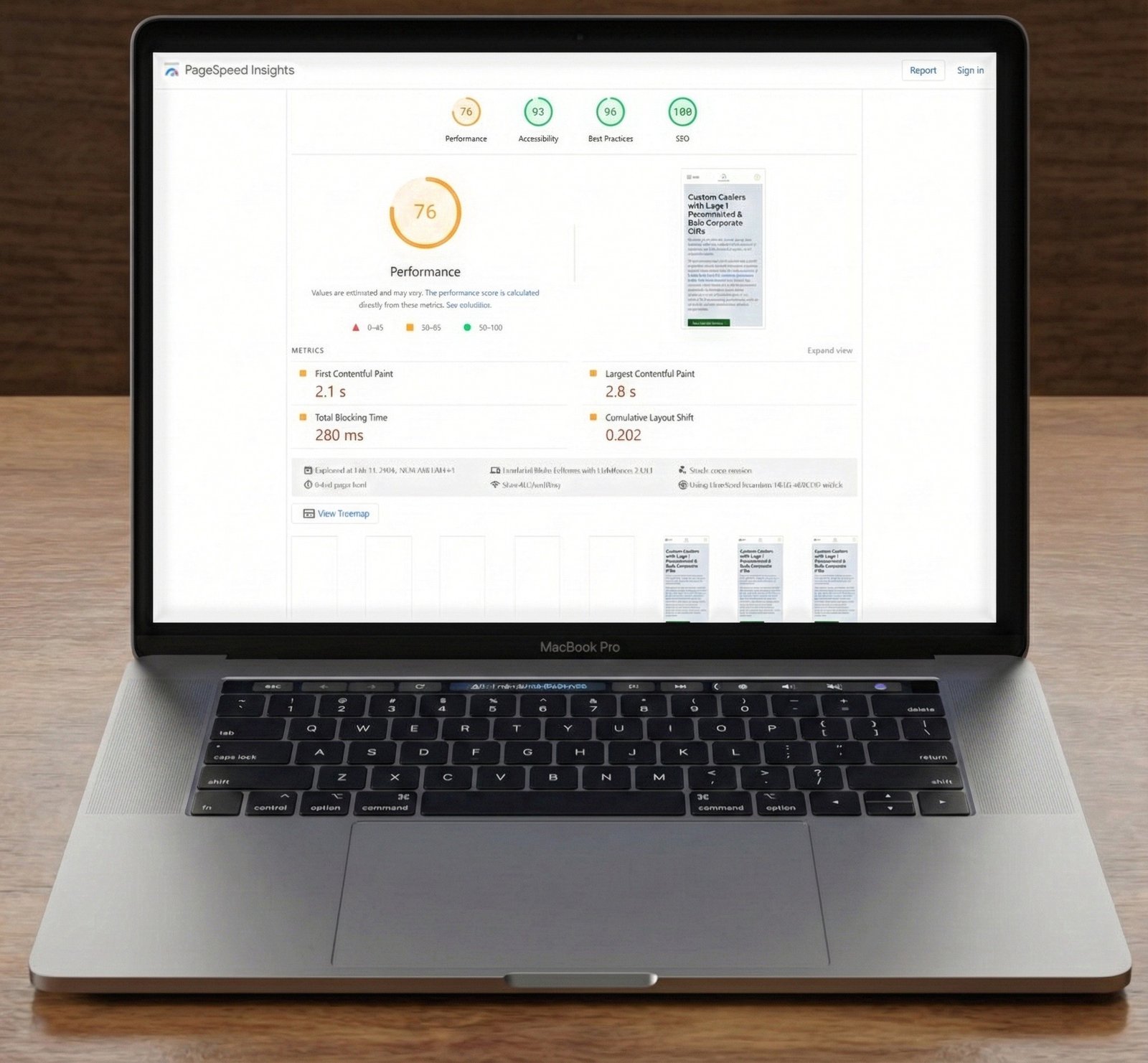
- Google PageSpeed Insights: Look for the recommendation “Reduce initial server response time.” While PageSpeed Insights doesn’t directly display TTFB, this recommendation is a strong indicator of a server-side bottleneck.
- Chrome DevTools (Network Tab): Open your browser’s developer tools, navigate to the Network tab, and refresh the page. Hover over the green bar in the waterfall chart for the main document request to see the exact TTFB.
- Global Testing: Always test your website from various geographical locations using tools like WebPageTest.org or GTmetrix. A good TTFB in one region doesn’t guarantee optimal performance worldwide.
Actionable Strategies to Optimize Your TTFB for 2025/2026
Addressing a high TTFB requires a multi-faceted approach, focusing on server-side optimizations. Here’s how to fix it:
1. Upgrade Your Hosting Environment
This is often the most impactful step. Shared hosting, while economical, often means your website shares resources with hundreds or thousands of others, leading to slow server responses. Consider upgrading to:
- Virtual Private Server (VPS): Offers dedicated resources and more control than shared hosting.
- Managed WordPress Hosting: Providers like Kinsta and WP Engine remain top choices in 2025/2026. They specialize in WordPress optimization, offering robust server infrastructure, advanced caching, and expert support. Other performance-optimized options include SiteGround and Cloudways.
- Dedicated Server or Cloud Hosting: For high-traffic websites, a dedicated server or a scalable cloud solution (e.g., Google Cloud, AWS) provides maximum performance and flexibility.
2. Implement Robust Server-Level Caching
Caching stores frequently accessed data, reducing the need for your server to re-process requests. Server-level caching is crucial for TTFB:
- Redis or Memcached: Object caching solutions that store database query results and other dynamic data in memory, significantly speeding up dynamic content generation.
- LiteSpeed Cache: If your server uses LiteSpeed, this powerful caching solution offers page caching, object caching, and image optimization, all integrated at the server level.
- Varnish Cache: A powerful HTTP reverse proxy that can dramatically reduce server load by serving cached content directly to users.
3. Optimize Your PHP Environment
PHP is the backbone of many dynamic websites, including WordPress. Ensuring it’s optimized is vital:
- Upgrade to PHP 8.0+: As of 2025/2026, ensure your server is running PHP 8.0 or a newer version. Each major PHP release brings significant performance improvements.
- Enable OPcache: OPcache improves PHP performance by storing precompiled script bytecode in shared memory, eliminating the need for PHP to load and parse scripts on each request.
Server Configuration Example (php.ini):
// Enable OPcache in php.ini
opcache.enable=1
opcache.memory_consumption=256
opcache.max_accelerated_files=20000
4. Database Optimization
A bloated or unoptimized database can be a major bottleneck for TTFB. Regularly:
- Clean Up Database: Remove old revisions, spam comments, unused tags, and transient options.
- Optimize Queries: Ensure your application’s database queries are efficient and properly indexed. Slow queries can drastically increase server response time.
5. Leverage a Content Delivery Network (CDN)
While primarily known for speeding up static asset delivery, a CDN can also positively impact TTFB, especially for users geographically distant from your origin server. Services like Cloudflare, KeyCDN, or Sucuri can cache your website’s content at edge locations worldwide, serving it faster to users and reducing the load on your main server.
Conclusion
In the competitive digital landscape of 2025/2026, a fast Time to First Byte is not just a luxury; it’s a necessity. By understanding its impact, regularly monitoring your TTFB, and implementing the actionable strategies outlined above, you can significantly enhance your website’s performance, improve user experience, and boost your search engine rankings. Don’t let a slow server response be the silent killer of your online success.